

Grain Storage Monitoring Sensors Explained
Grain storage monitoring sensors are becoming increasingly common on modern farms. These systems help farmers monitor grain conditions inside storage bins and detect potential spoilage risks.
Monitoring systems allow operators to track grain temperature, moisture conditions, and grain levels inside bins.
Early detection of storage problems helps protect grain quality and prevent costly losses.
Temperature Monitoring Sensors
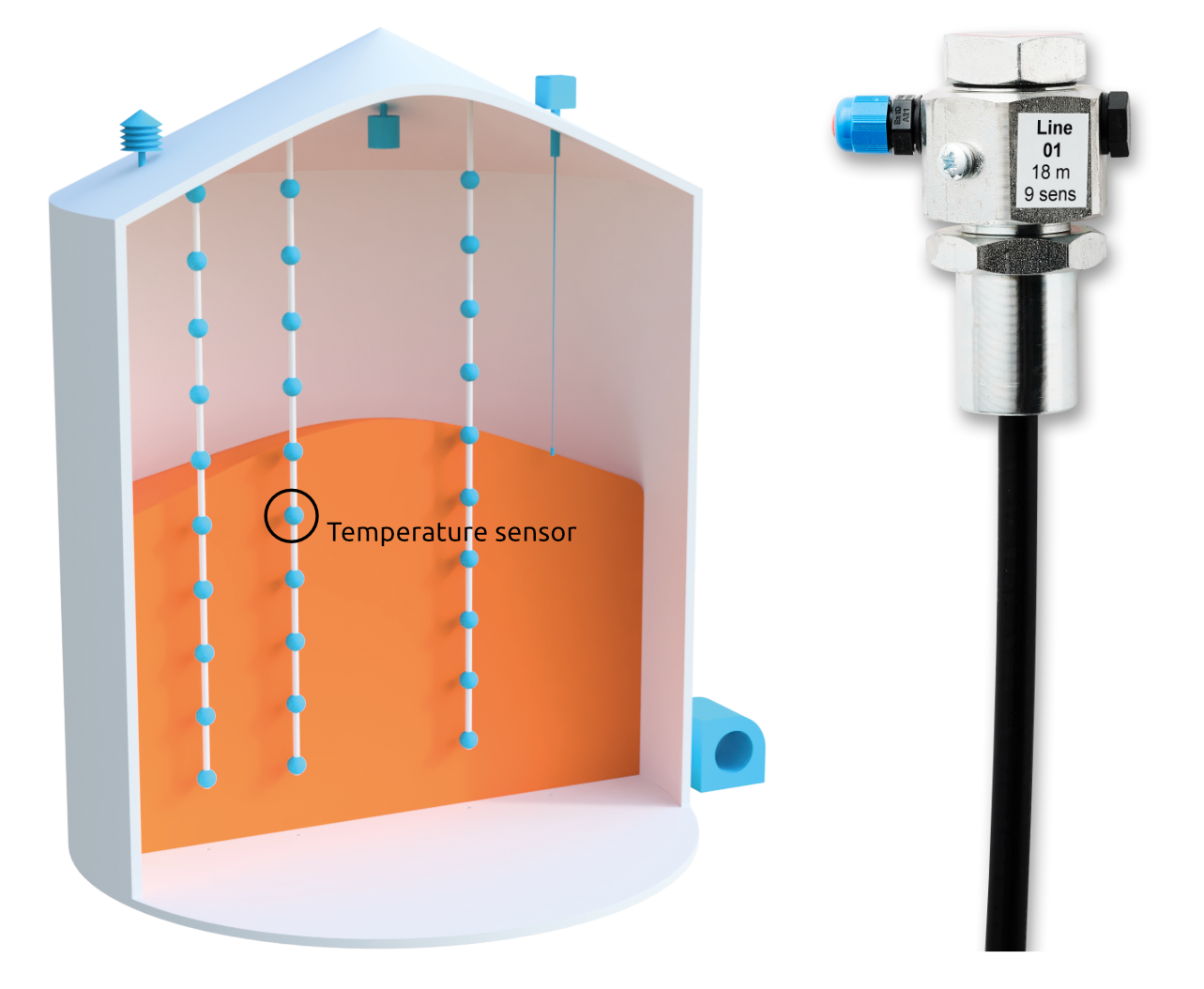
Temperature monitoring is one of the most common grain storage technologies.
Sensors placed inside grain bins measure temperature throughout the grain mass.
If temperatures begin rising, farmers know that conditions may be developing that could lead to spoilage.
Level Sensors
Grain level sensors estimate how full a bin is without requiring manual measurement.
Many farms still verify grain levels using the Grain Bin Capacity Calculator to estimate stored bushels based on grain depth.
For additional explanation of grain measurement methods see Grain Bin Measurement Methods for Farmers.

Final Thoughts
Grain storage monitoring sensors give farmers greater visibility into grain storage conditions.
When monitoring systems are combined with tools like the Grain Bin Capacity Calculator and inventory systems such as AgShed Pro v2.5, farms can manage grain storage more effectively and reduce the risk of spoilage.